Selecting the right crane and rigging partner can make or break a bridge or highway job. From setting girders to placing precast panels and structural steel, the crane provider you choose directly impacts safety, schedule, and overall project costs.
For general contractors, especially on DOT or infrastructure projects, here are the key factors to consider when hiring a mobile or rough terrain crane company.
1. Verify Experience with Bridge and Highway Work
Not all crane companies are the same. Bridge and highway construction requires specialized lifting plans, certified operators, and experience working around live traffic, utilities, and strict DOT requirements.
Look for companies that have:
-
Experience with bridge girder erection and precast installs
-
Familiarity with DOT and state transportation agency requirements
-
Proven track record on highway or civil infrastructure projects
Ask for project references or case studies to confirm their capabilities.
2. Match the Crane Type to the Job
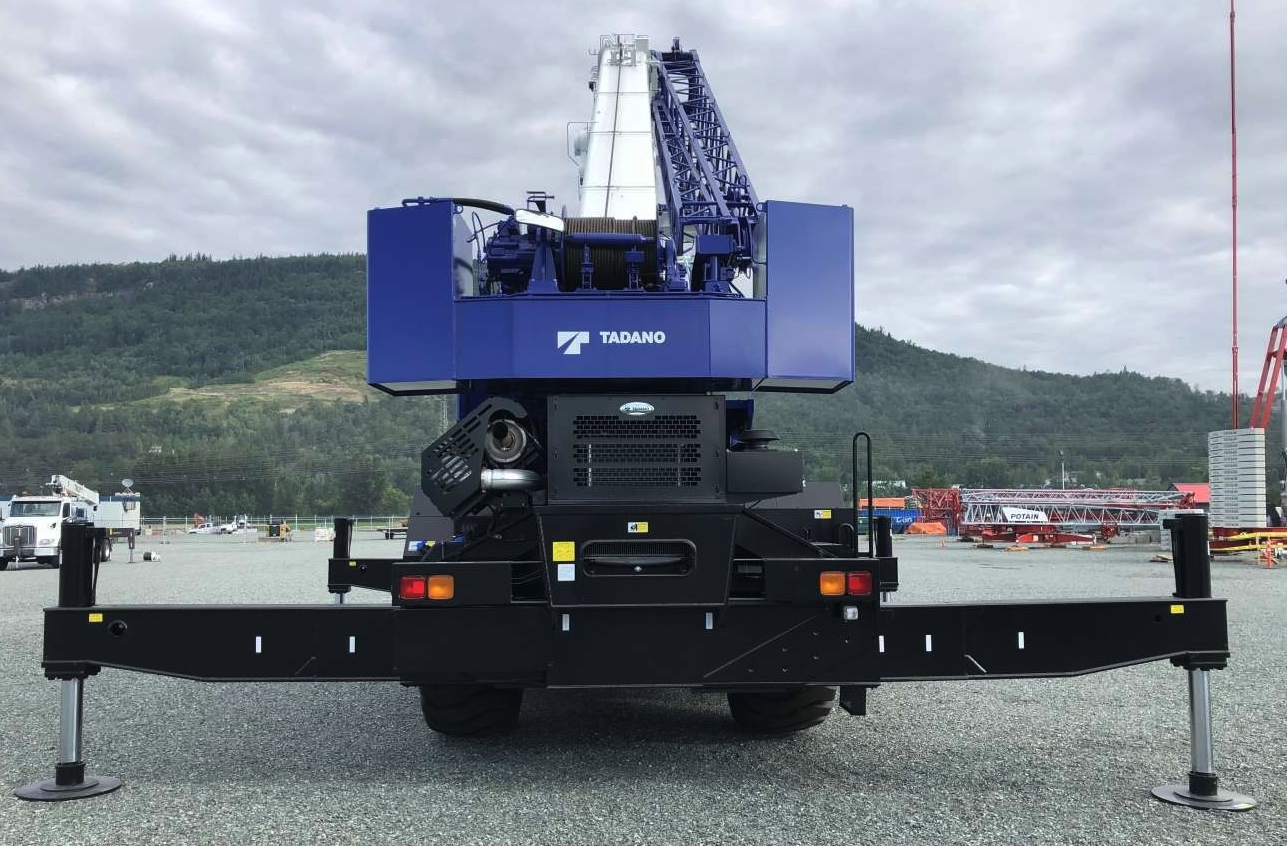
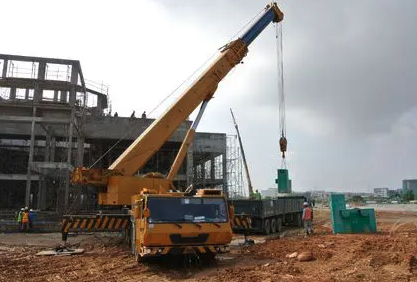
Choosing the right crane is just as important as choosing the company. For highway and bridge work, the most common options include:
-
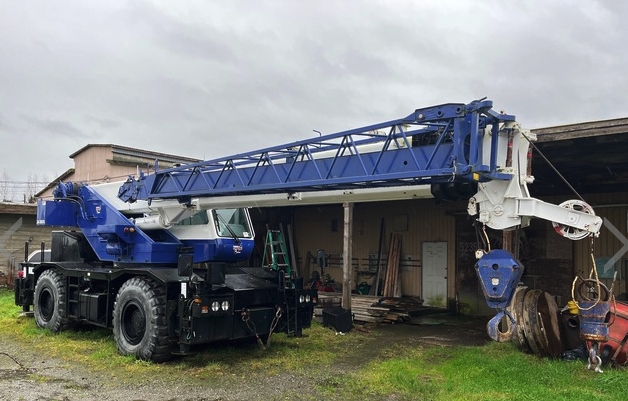
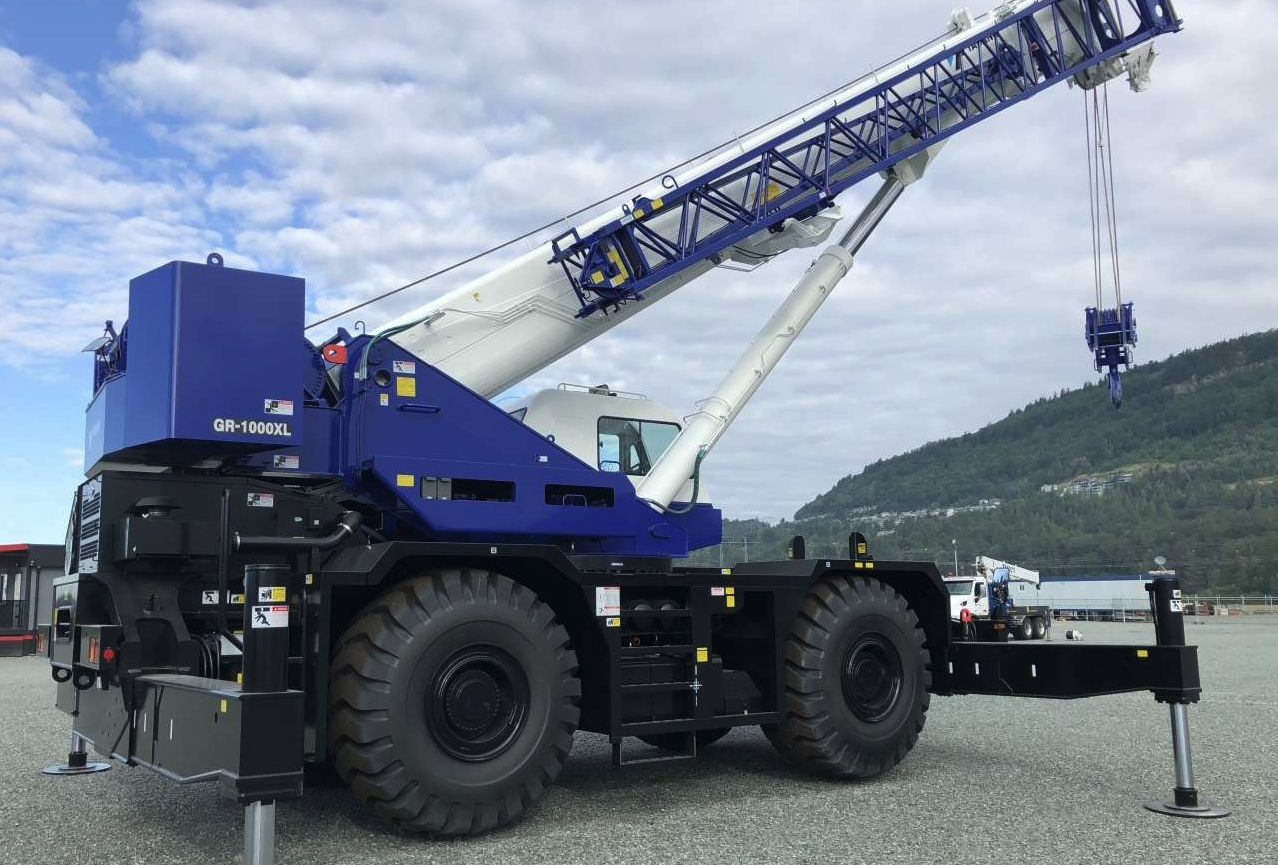
Mobile (All-Terrain or Truck-Mounted) Cranes – Ideal for long reaches, heavy lifts, and jobs requiring mobility between multiple set points.
-
Rough Terrain Cranes – Best for off-road conditions, undeveloped job sites, and areas with limited access.
A reputable crane provider will help you select the correct crane size and configuration based on load charts, reach requirements, and site constraints.
3. Prioritize Safety and Certifications
Safety is critical on infrastructure projects. Make sure the crane company:
-
Employs NCCCO-certified operators
-
Provides engineered lift plans for critical lifts
-
Maintains OSHA-compliant safety programs
-
Has up-to-date crane inspections and maintenance records
A strong safety culture reduces downtime, liability, and risk to your crew.
4. Evaluate Rigging Capabilities
Crane service and rigging go hand in hand. Confirm that the company can supply:
-
Certified rigging crews
-
Slings, spreader bars, and lifting devices
-
Engineering support for complex or critical lifts
For bridge work, engineered rigging solutions are often required for long-span girders and heavy precast elements.
5. Consider Local Availability and Logistics
For highway and bridge projects, time is money—especially during road closures or night work windows. A local or regional crane company with a nearby yard can respond faster, reduce mobilization costs, and provide backup equipment if needed.
Ask about:
-
Mobilization timelines
-
Backup crane availability
-
24/7 support for critical infrastructure work
Final Thoughts
Choosing the right crane and rigging company isn’t just about price—it’s about safety, reliability, and performance. By partnering with an experienced crane provider with the right equipment, certified operators, and engineered rigging support, general contractors can keep bridge and highway projects on schedule and minimize risk.